Faculty of Health Tourism
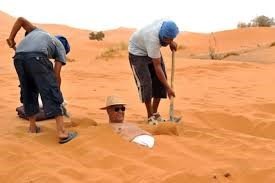
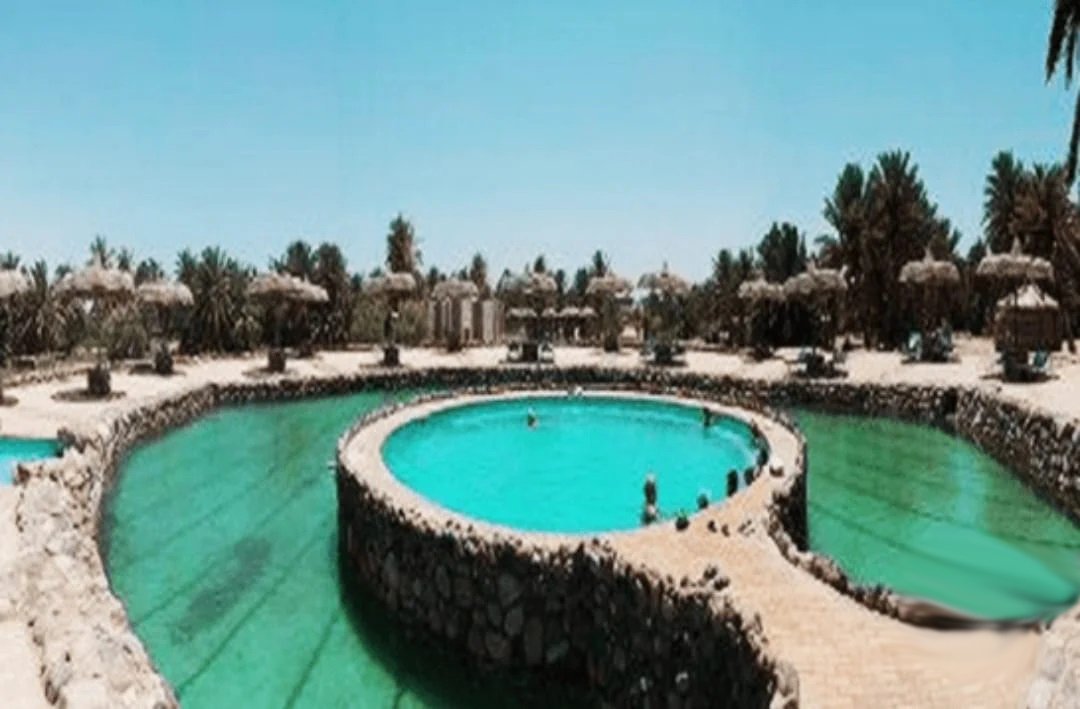
Since ancient times, natural earth materials such as clay and silt (mud) have been used for therapeutic and healing purposes. Civilizations in Egypt, Mesopotamia, India, and Greece recognized the medicinal value of mud and mineral-rich soils in treating various physical ailments. Today, clay and silt therapy—often referred to as pelotherapy—is widely used in complementary medicine, spa therapy, and health tourism as a natural and holistic treatment approach.
Clay and silt are rich in essential minerals such as magnesium, calcium, potassium, silica, iron, and trace elements. These materials possess unique physical and chemical properties, including:
High absorbent capacity
Anti-inflammatory effects
Detoxifying ability
Heat retention and slow release
Antimicrobial properties
These characteristics make clay and silt effective therapeutic agents when applied externally to the body.
One of the most common uses of clay and silt therapy is in the treatment of musculoskeletal conditions. Warm mud applications help relieve:
Arthritis
Rheumatism
Chronic back and neck pain
Muscle stiffness and spasms
The heat improves blood circulation, relaxes muscles, and reduces joint inflammation, leading to pain relief and improved mobility.
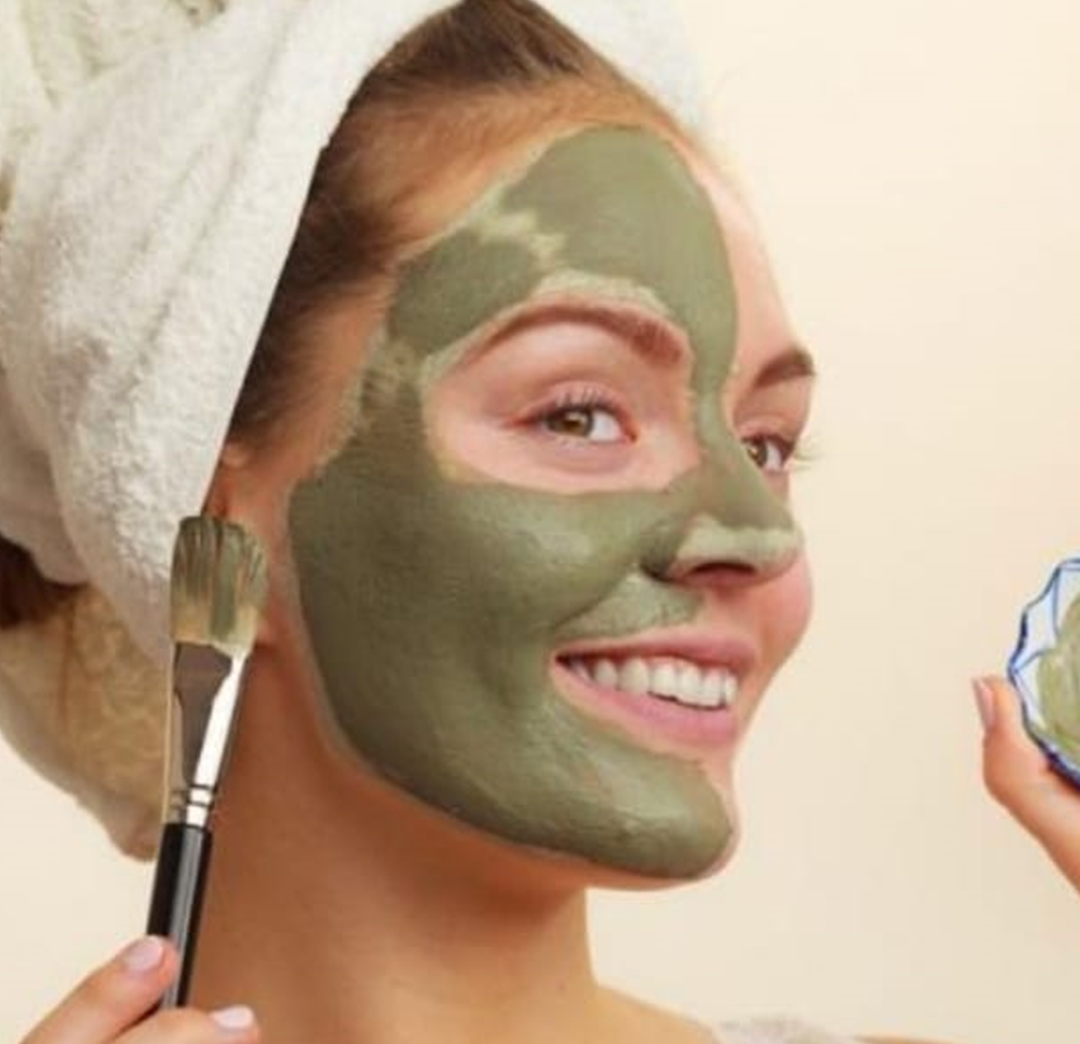
Clay and silt are widely used in dermatological treatments due to their cleansing and soothing properties. They are effective in managing:
Acne and oily skin
Psoriasis
Eczema
Dermatitis
Clay masks absorb excess oils, remove toxins, exfoliate dead skin cells, and promote skin regeneration.
When applied to the body, clay and silt draw out toxins and impurities through the skin. This detoxifying effect supports:
Improved lymphatic drainage
Enhanced blood circulation
Reduced swelling and fluid retention
These benefits contribute to overall body rejuvenation and vitality.
In traditional medicine, mud therapy has been used to support women’s health, particularly in managing:
Chronic pelvic inflammation
Menstrual discomfort
The mineral absorption and thermal effects help improve circulation and reduce inflammation in targeted areas.
Mud therapy also plays an important role in relaxation and mental health. The warmth and natural elements promote:
Stress relief
Nervous system relaxation
Improved sleep quality
This makes clay and silt therapy an essential component of wellness programs and spa-based treatments.
Clay and silt therapy is a cornerstone of many health tourism destinations, especially around natural resources such as hot springs, salt lakes, and mineral-rich riverbanks. Famous examples include the Dead Sea mud, volcanic clay treatments, and river silt therapies. These practices align with sustainable and Environmental Tourism, combining natural healing with ecological preservation.
Although clay and silt therapy is generally safe, certain precautions should be considered:
Use clean, uncontaminated natural materials
Avoid application on open wounds or infections
Consult a healthcare professional for chronic or serious medical conditions
Address
A.R.E - Giza - Mohandessin 56 Riyadh Street
+211915149000
info@htf-uk.com
Copyright © 2026 [Faculty of Health Tourism]. All rights reserved.